Every trash collection and waste management business hits cash-flow pressure points. Here is how lines of credit and the right loan structures turn each one into an opportunity.
The problemWaiting to get paid
Much of your revenue arrives as municipal and commercial invoices, while payroll, rent and suppliers are due now.
How financing solves itInvoice factoring or a receivables-based line of credit advances cash against what you've already earned, so operations never wait on customers.
The problemCostly trucks and containers
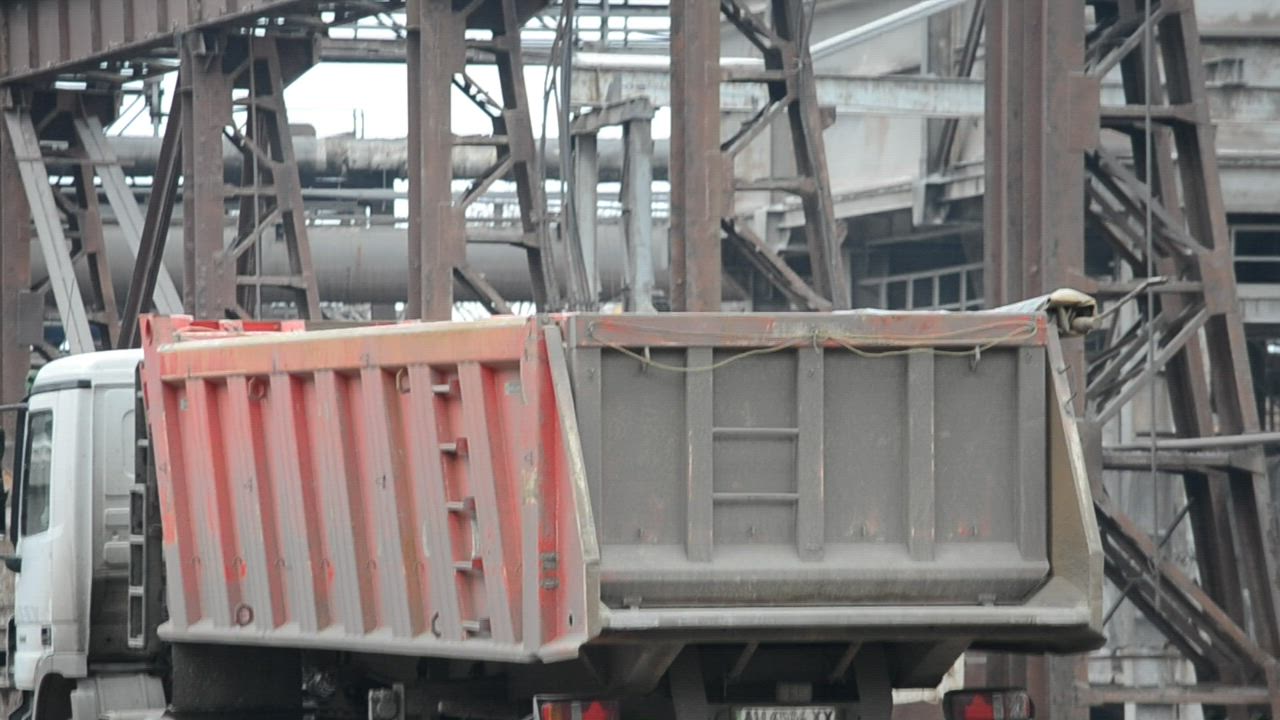
Garbage trucks, roll-off containers and recycling equipment are expensive to buy and maintain, and when they fail, revenue stops.
How financing solves itEquipment financing spreads the cost of trucks and containers over its useful life, uses the equipment as collateral and preserves your cash.
The problemHiring ahead of growth
Adding staff, training and marketing costs money long before new revenue arrives.
How financing solves itWorking capital and term loans fund hiring and marketing so growth doesn't stall for lack of cash.
The problemFunding expansion
Opportunities like adding routes and trucks require capital up front and take time to pay back.
How financing solves itTerm loans and SBA 7(a) loans provide longer repayment schedules that match the payback of growth investments.
The problemOwning vs. leasing
Rising rent on your yard and transfer station can erode margins at every renewal, and landlords may not renew on your terms.
How financing solves itCommercial real estate loans and SBA 504 financing help you buy your property, lock in occupancy costs and build equity.
The problemFleet costs
Garbage trucks cost hundreds of thousands. For waste haulers, that pressure can slow growth or force hard trade-offs.
How financing solves itEquipment financing spreads the cost. Payments are structured around your cash cycle, so you can keep operating with confidence.